The armor, cape, and overall proportions carry over. Fine clothing trim and facial detail are simplified; inspect the crossed-leg pose before rigging.
Turn text or an image into a 3D character.
Upload character art →Compare each reference with its generated 3D model.
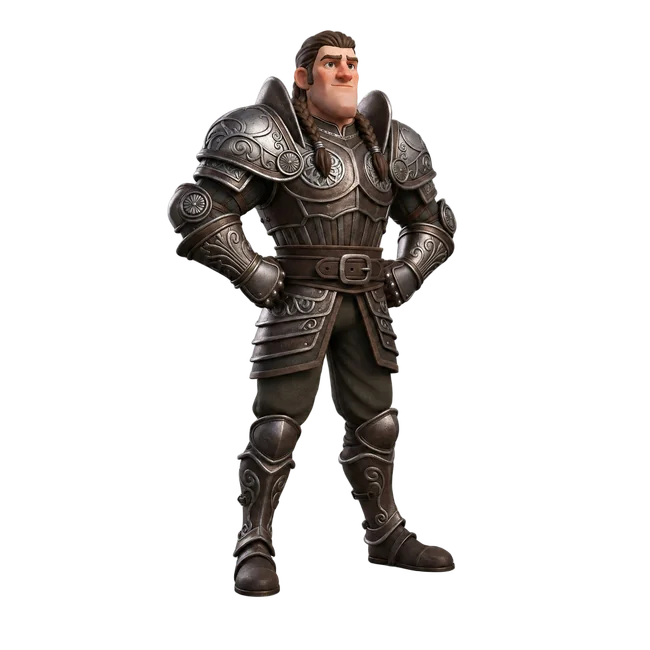
The armor, cape, and overall proportions carry over. Fine clothing trim and facial detail are simplified; inspect the crossed-leg pose before rigging.
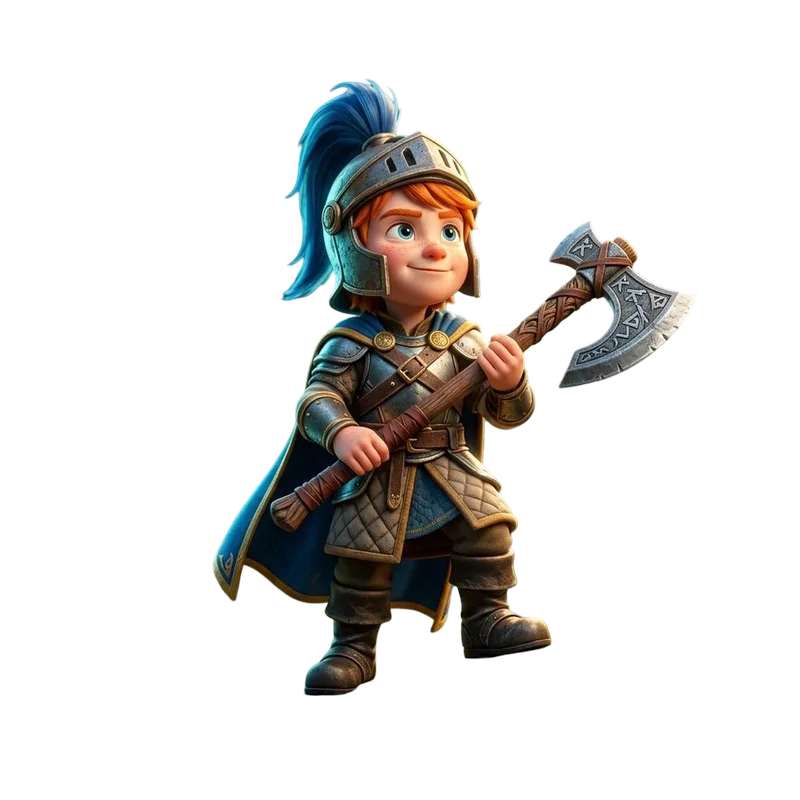
The broad hat, blue coat, and book carry over. Hat markings and embroidered clothing details are simplified in the 3D draft.
A strong character mesh is not automatically rigged or animated.
Focuses on form, clothing, accessories, and materials.
Figurines, concepts, and non-moving assetsAdds a compatible skeleton, skinning, and a playable motion clip.
Games and animation testsStart with a description when you are exploring an idea. Use character art when you already have a silhouette, outfit, or color palette to follow.
A chubby cartoon panda wearing a red scarf, big round head, stubby limbs, matte plush texture, cute stylized proportions

Describe one full-body subject, its outfit, art style, and pose. Choose a text-compatible model and check the credit total before generating.
Write a character prompt →
Upload a clear PNG, JPG, or WebP concept image. The knight and mushroom examples show this workflow, including details that change in the 3D result.
Upload your character art →Describe one character by body type, outfit, colors, pose, and art style. A short, concrete description gives the generator a clearer shape to build than a story with several characters or a detailed background.
For more prompt ideas, explore the text-to-3D prompt library.
Use a full-body concept image with the head, hands, and feet visible. Keep one character in frame and leave space between limbs and accessories. The generator must infer surfaces that your image does not show, so the face, back of the outfit, and hidden hands may differ.

Read the image-to-3D tutorial for reference preparation and result inspection.
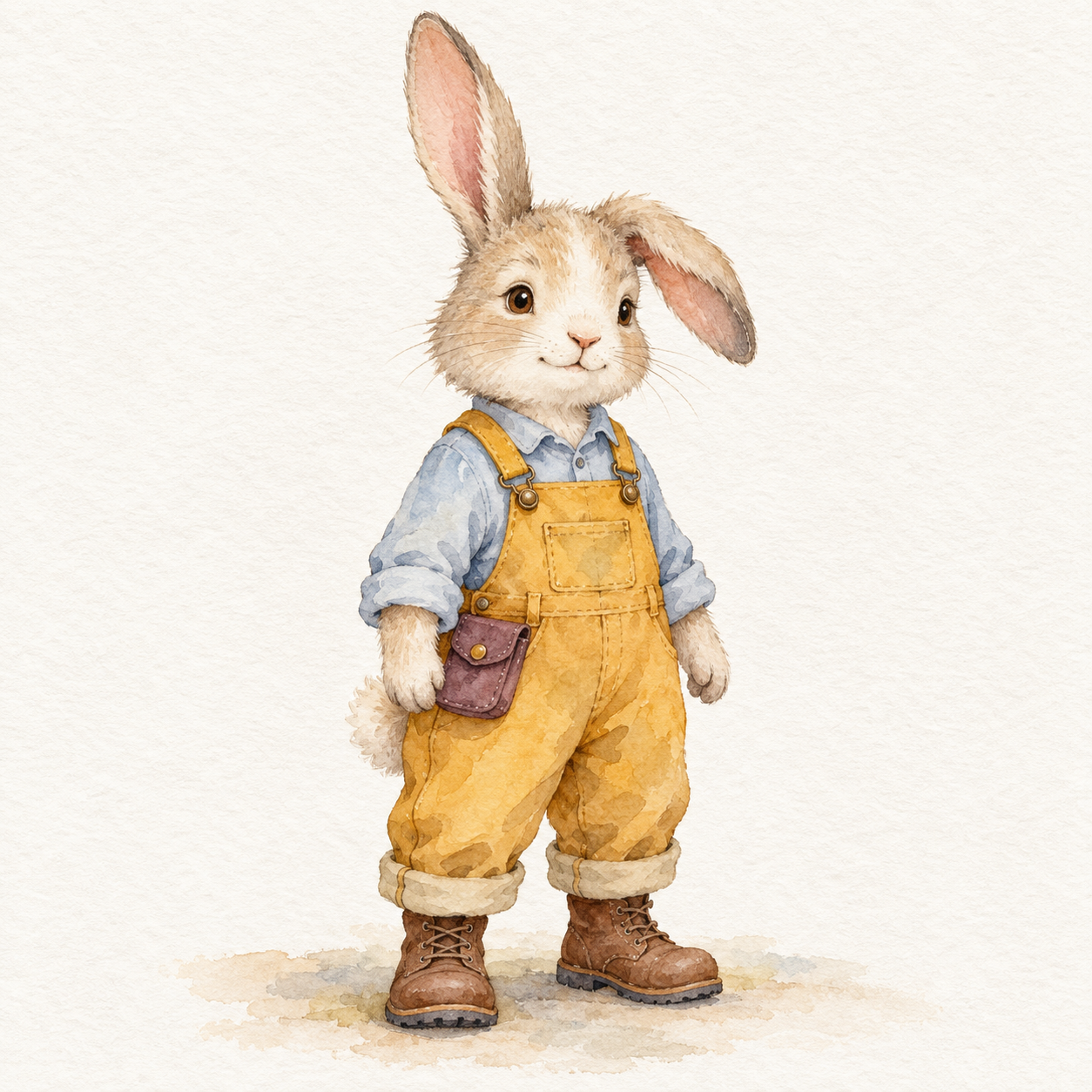
Open the Tripo H3.1 knight and Rodin 2.5 Fast mushroom apprentice to inspect the face, hands, and clothing. Each case used a different image, so use them as examples of the output rather than a head-to-head comparison.
Review input and quality options in the Tripo H3.1 and Rodin Gen-2.5 guides. See plans and pricing for credit options.
Both character cases on this page include a real, downloadable GLB. They are static drafts with no skeleton or animation clips. Rotate the model, then reopen the downloaded file to check that the shape and materials still look right.
Reopen your file in the 3D model viewer. Continue with Blender preparation or review the character animation workflow.
For a game character, plan detail with the low-poly guide and prepare the scene with the game asset workflow.
This AI 3D character generator creates a mesh you can rotate and download. The two character cases on this page pair their reference images with actual GLB files; the reference images themselves are AI-generated artwork.
Yes. Use the text workspace above to describe a character, or open Image to 3D to upload a PNG, JPG, or WebP concept image. The workspace initially previews a saved text-generated sample. The two showcased cases were generated from images, not from text prompts.
A neutral A-pose or relaxed stance usually leaves clearer space around shoulders, elbows, hands, hips, and knees.
The knight and mushroom cases are static meshes without skeletons or animation clips. Only treat another result as rigged when the selected workflow and completed job explicitly provide a rig. Animation needs a suitable mesh, skinning, and a motion clip.
Close overlapping shapes can be interpreted as one surface. Increase separation in the prompt or source reference.
Both showcased characters have downloadable GLB files. For your own generation, download the files returned by that completed job. Do not assume every model includes FBX, separate textures, or an animated export.
The workspace shows the credit total for the selected model and settings before you generate. Model choices, quality settings, and retries can change the total. Inspecting the saved examples on this page does not submit a new generation task.
Quady3D generates a new 3D mesh from your description or image. It does not provide body sliders, a wardrobe, or separate face controls for editing a reusable base character. Describe those choices in your input, then inspect and refine the exported mesh in a 3D editor.