What is Hunyuan3D 3.0?
Hunyuan3D 3.0 is a Tencent model for generating 3D assets. Quady3D offers image and text creation plus a separate sketch workflow. The controls and costs shown here describe these Quady3D workflows.
Is Hunyuan3D v3 the same as 3.0?
This page uses Hunyuan3D v3 to mean the 3.0 model. Hunyuan3D 3.1 Rapid, 3.1 Pro and the earlier 2.1 release are separate versions with different inputs and controls.
Can I use Hunyuan3D 3.0 for free?
New accounts receive starter credits after email verification. Each generation uses credits; the workspace shows whether your balance covers the selected geometry and material settings.
Does Hunyuan3D 3.0 accept multiple views here?
The 3.0 creator on this page accepts one image. Quady3D's multi-view creator lists its own selectable models, including Hunyuan3D 3.1 Pro. A family's documented capabilities do not make every version support the same input.
Are the examples real 3D files?
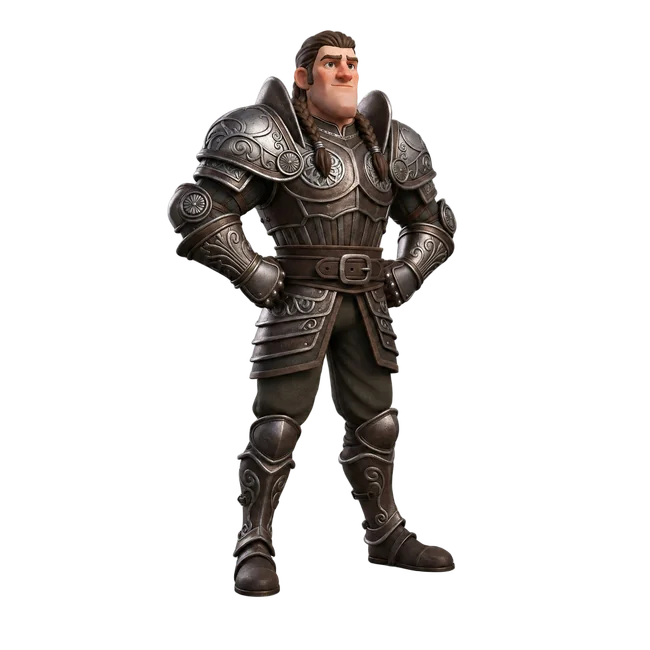
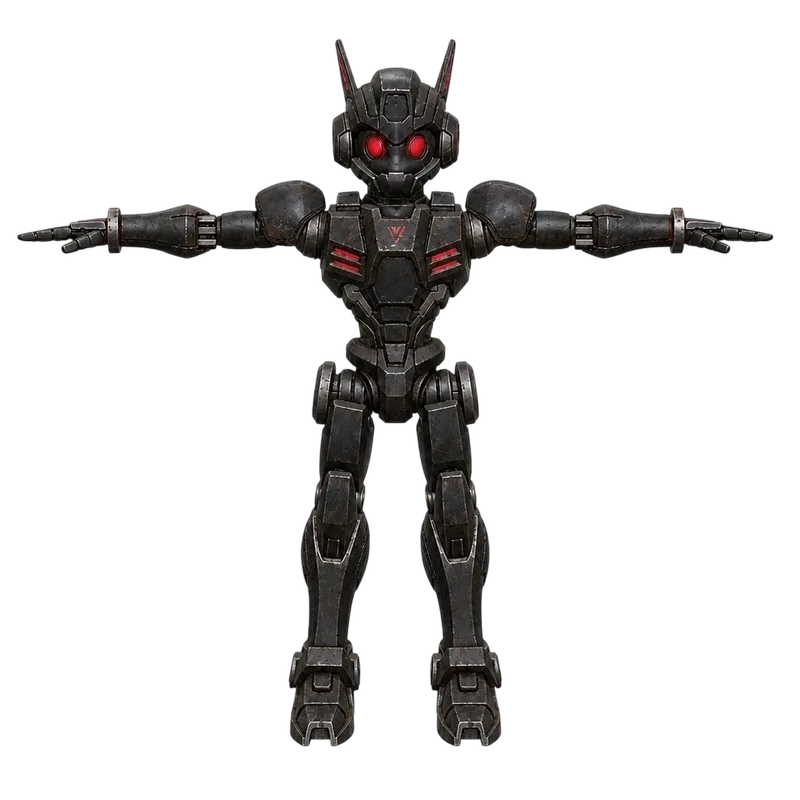
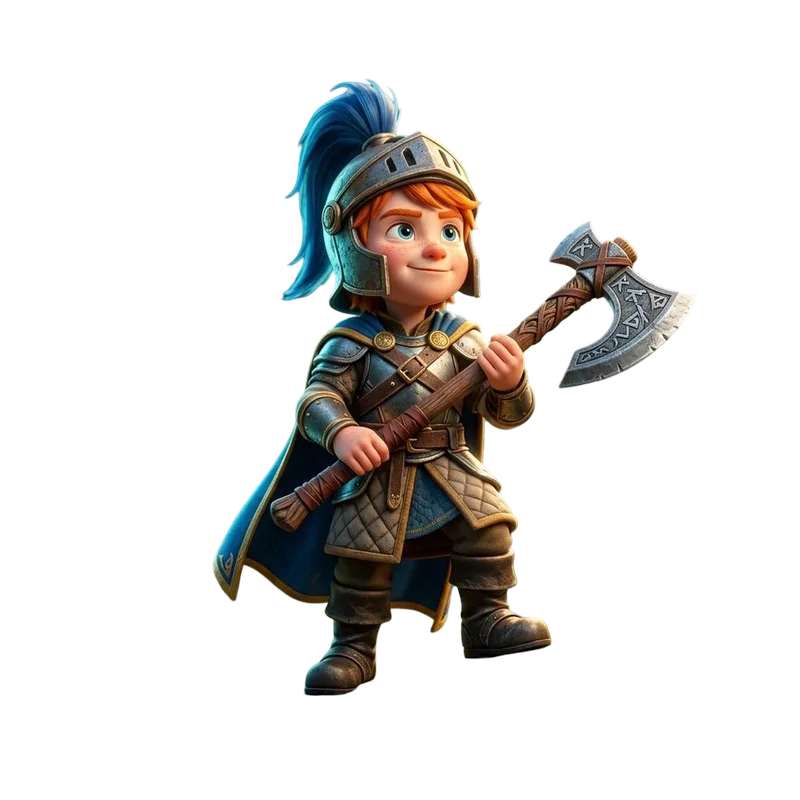
Yes. These are our saved case files for the displayed workflows. Open a case to rotate its GLB, inspect its recorded image or prompt where available, and download the model. Separate cases use different inputs and are not a controlled quality or speed benchmark.
Is the result ready for printing or a game engine?
Check the exported file first. Printing needs closed surfaces, suitable thickness and physical scale. Games may need mesh, UV, material, pivot and collision cleanup. A textured preview alone does not establish readiness.