Explore our Meshy 6 results from images and text, inspect the saved models, and compare this earlier release with Meshy 7.1.
Explore Meshy 6, create with 7.1
Meshy 6 is no longer selectable in Quady3D. You can still inspect and download our saved cases below.
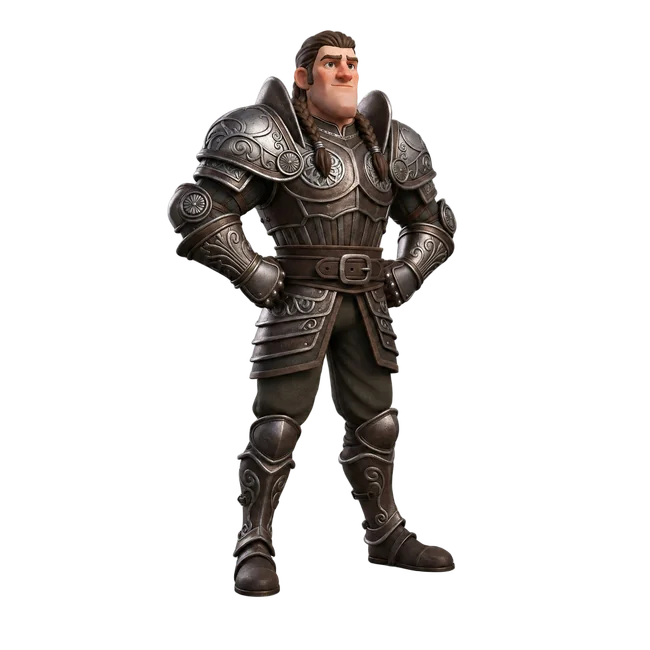
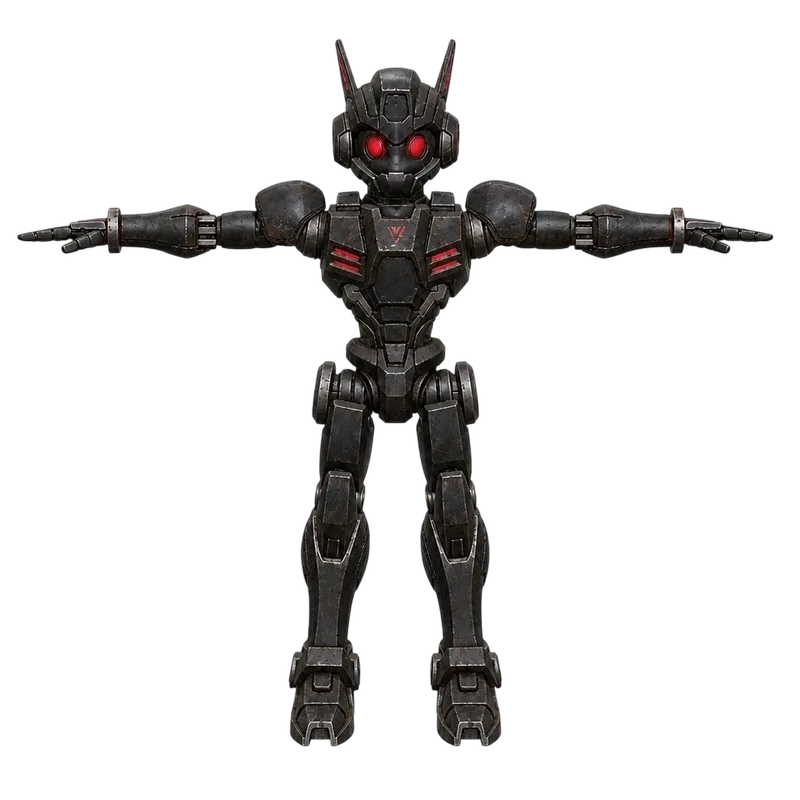
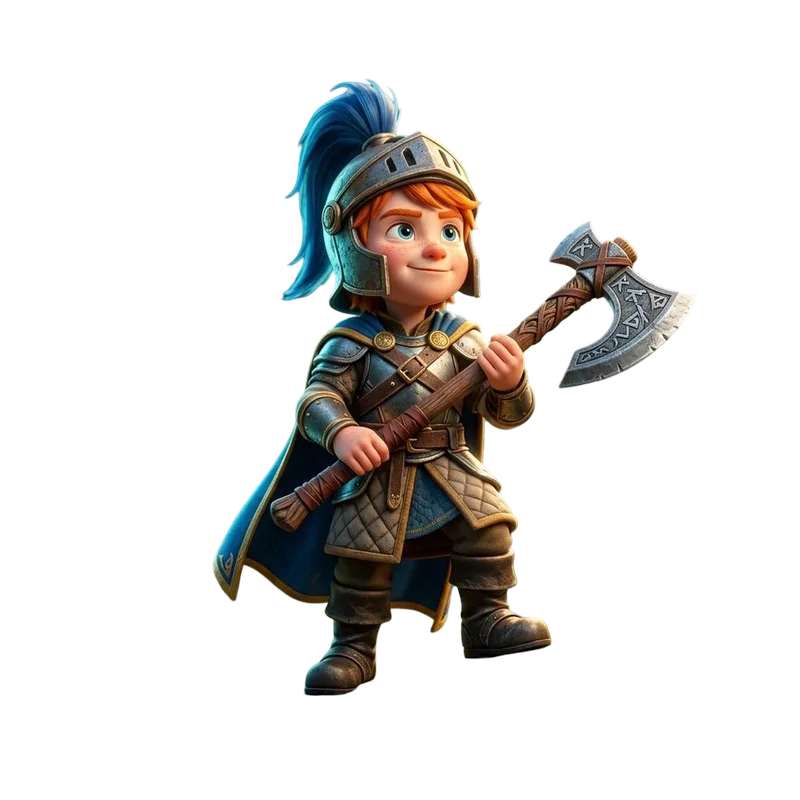
Inspect our Meshy 6 cases
What to know about Meshy 6
Understand the earlier release
Meshy introduced 6 with a focus on geometry, hard-surface detail and low-poly workflows. Its release notes describe the original feature set; they do not represent current Quady3D availability or pricing.
Inspect the recorded cases
Image cases include their source, and text cases include their prompt. Rotate the saved model to examine its silhouette, hidden surfaces and material seams. Start from the actual file when deciding how much cleanup it needs.
Choose a current version
Meshy 7.1 is available here with image, text and multi-view inputs. Check its current controls and charge instead of using a historical Meshy 6 price or assuming the two versions produce the same result.
Which Meshy version fits?
Inputs describe current Quady3D creators. Saved cases are available for inspection, without a current generation option.
Meshy 6 is an earlier Meshy generation model for images and text. Its official release introduced geometry and hard-surface improvements alongside low-poly workflows. This page preserves our saved cases and links to the newer version.
Can I reuse a Meshy 6 reference?
Yes. Copy the recorded prompt or save the source image, then open it in the Meshy 7.1 workspace. A different model version will produce a new result, rather than recreate the saved Meshy 6 file.
What changed after Meshy 6?
Meshy 7 emphasizes how closely generated geometry matches a reference; 7.1 adds finer detail. The version guide links to the current 7.1 controls and shows older 7 cases separately. The galleries use different sources, so they are not a controlled comparison.
Are these Meshy 6 examples real models?
Yes. They are our saved image and text generation cases with downloadable GLB files. Open a case to inspect its recorded input, then rotate the model to review surfaces that a thumbnail cannot show.
Can I use the saved models for a game or a print?
Review the actual file for your project. A game may need topology, UV, pivot and collision edits; a print needs appropriate thickness, closed surfaces and scale. The cases do not prove a physical print or a tested game import.